
Shipping a car to another state can make a major move much easier. Whether you are relocating for work, purchasing a vehicle from another state, attending college, or planning an extended stay somewhere new, professional auto transport can save you time and unnecessary driving.
Instead of spending hours on the road, arranging fuel stops, and dealing with long-distance driving, you can arrange transportation for your vehicle while focusing on other important parts of your move. At Auto Track Shipping, we understand that customers want a straightforward and convenient vehicle shipping experience.
Before arranging transportation, there are several important things you should understand.
1. Choose the Right Auto Transport Method
One of the first decisions is selecting the appropriate transportation method. The two common options are open and enclosed car transport.
Open Car Transport
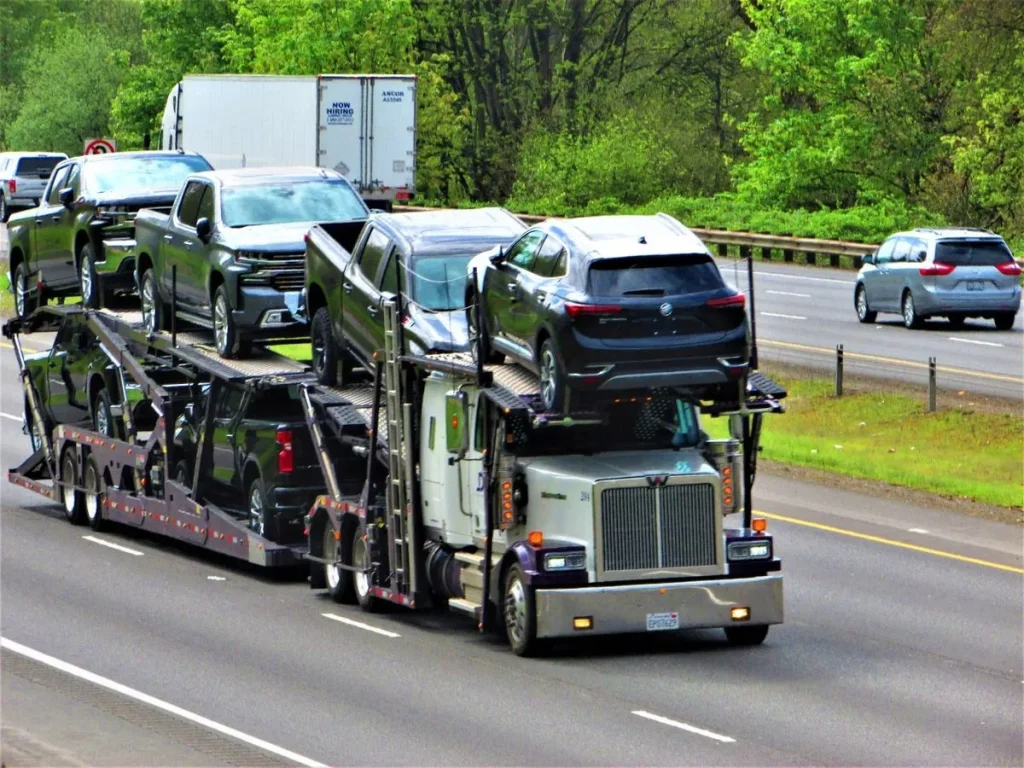
Open car transport is a widely used vehicle shipping option. Cars are transported on open carrier trailers, often alongside other vehicles. This method is suitable for standard sedans, SUVs, trucks, and many everyday vehicles.
It is generally a practical choice for customers looking for an economical shipping solution.
Enclosed Car Transport
Enclosed car transport uses covered trailers to protect vehicles from direct exposure to road debris and weather during transit. It can be a suitable option for classic cars, luxury vehicles, exotic models, and other automobiles requiring additional protection.
Consider your vehicle’s value, condition, and transportation preferences before choosing.
2. Understand the Factors That Affect Shipping Costs
Auto transport prices can vary depending on several factors. There is no single price that applies to every vehicle or route.
Some common pricing factors include:
-
Distance: Longer transportation routes generally involve higher overall costs.
-
Vehicle size: Larger and heavier vehicles may require more carrier space.
-
Transport method: Enclosed shipping typically costs more than open transport.
-
Pickup and delivery locations: Accessibility and route conditions can affect transportation arrangements.
-
Seasonality: Demand and carrier availability may influence pricing.
-
Scheduling: Flexible pickup dates may provide additional transportation options.
Request a transportation estimate and review the details before making your decision.
3. Prepare Your Vehicle Before Pickup
Preparing your car properly can help make the pickup process smoother.
Start by cleaning your vehicle so that its existing condition can be inspected more easily. Take photographs from multiple angles, including close-ups of any existing scratches, dents, or other visible damage.
You should also:
-
Remove personal belongings and unnecessary accessories.
-
Keep the fuel level relatively low, following carrier instructions.
-
Check tire pressure and battery condition.
-
Make sure the vehicle is accessible for loading.
-
Inform the transport provider about mechanical issues.
-
Remove or secure loose exterior accessories when necessary.
Avoid leaving valuable personal belongings inside your vehicle unless specifically permitted under the transportation arrangement.
4. Understand the Pickup and Delivery Process
After arranging your shipment, confirm the expected pickup window and delivery arrangements.
The driver or transportation coordinator may contact you to discuss the pickup location and vehicle accessibility. In some situations, a nearby meeting point may be necessary if the original address cannot accommodate a large carrier.
At pickup, the vehicle’s condition should be documented on the appropriate inspection or vehicle condition report.
At delivery, inspect the vehicle carefully and compare its condition with the original documentation before completing the delivery process.
5. Choose a Transportation Provider Carefully
Before choosing an auto transport provider, review the available service information, communication process, transportation terms, and customer feedback.
Ask questions about the estimated schedule, pricing, carrier arrangements, insurance responsibilities, cancellation terms, and delivery procedures.
A clear understanding of these details helps reduce confusion throughout the shipment.
Conclusion
Shipping a vehicle across state lines does not have to be complicated. Choosing the right transport method, preparing your vehicle, understanding pricing factors, and confirming delivery arrangements can make the process more manageable.
Auto Track Shipping provides information about open car transport, enclosed car transport, door-to-door auto transport, and state-to-state auto transport to help customers explore suitable shipping solutions.
Contact Auto Track Shipping at (260) 782-8452 to discuss your vehicle transportation needs.