
State-to-State Auto Transport | Fort Wayne, IN
Auto Track Shipping helps customers explore state-to-state auto transport solutions for moving vehicles across the United States. Whether you are relocating, buying a car from another state, or arranging long-distance vehicle transportation, we offer open and enclosed shipping options to suit different transportation needs.
Services
News
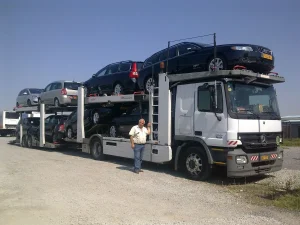
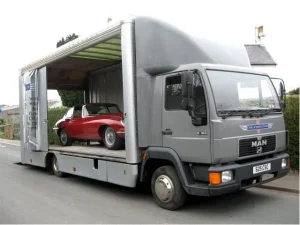
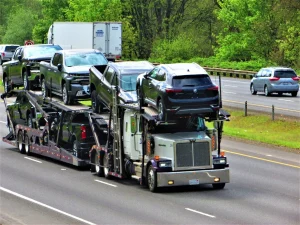
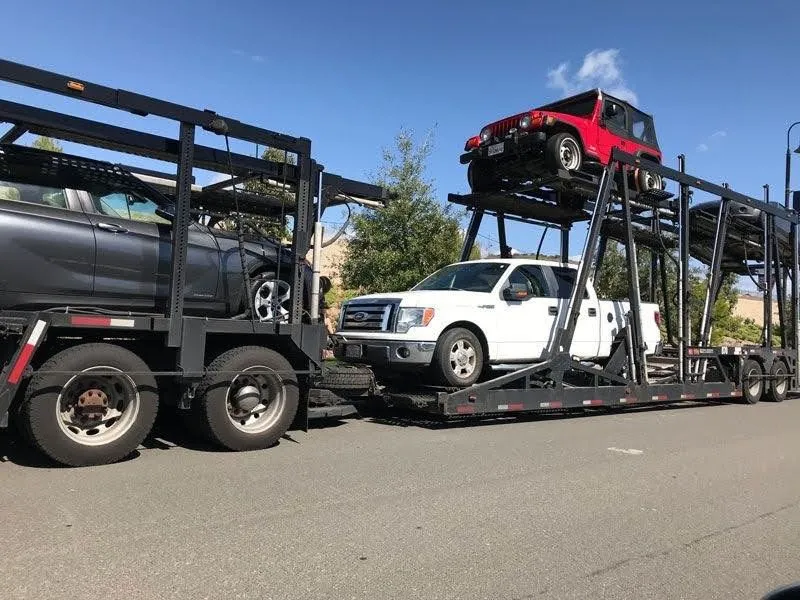
State-to-State Auto Transport Services
Moving a vehicle between states can involve considerable time, planning, and travel expenses. Whether you are relocating for a new job, purchasing a vehicle from another state, or arranging transportation for a family member, driving the entire distance may not always be the most convenient option.
State-to-state auto transport provides an alternative by arranging professional vehicle transportation between different states.
At Auto Track Shipping, we help customers explore state-to-state vehicle shipping options based on their pickup location, destination, vehicle type, and preferred transportation schedule.
Our goal is to make long-distance vehicle transportation easier to understand by providing information about available shipping methods, preparation requirements, pricing factors, and delivery arrangements.
What Is State-to-State Auto Transport?
State-to-state auto transport involves moving a vehicle from one state to another using specialized vehicle carriers.
This service is commonly used by individuals, families, dealerships, vehicle buyers, and businesses that need to move automobiles over long distances.
For example, someone relocating from Indiana to Florida may prefer to arrange vehicle transportation instead of driving the entire route.
Similarly, a customer purchasing a vehicle from California may arrange transportation to their home in Indiana.
The transportation process is coordinated around the vehicle’s pickup and delivery locations, carrier availability, and agreed scheduling arrangements.
Benefits of State-to-State Car Shipping
1. Avoid Long-Distance Driving
Driving across several states can require significant time and preparation. Professional vehicle shipping offers an alternative that allows you to focus on other travel or relocation arrangements.
2. Convenient for Relocations
Moving between states often involves coordinating housing, employment, household belongings, and travel. Arranging vehicle transportation separately can simplify the process.
3. Flexible Transport Options
Customers can explore open or enclosed vehicle transportation depending on their vehicle type, budget, and protection preferences.
4. Suitable for Different Vehicle Types
State-to-state auto transport can accommodate many standard passenger cars, SUVs, pickup trucks, and specialty vehicles, subject to carrier requirements.
Open and Enclosed Interstate Vehicle Shipping
There are two common transportation methods to consider when arranging state-to-state auto transport.
Open Car Transport
Open carriers are commonly used for interstate vehicle transportation. This method is generally more economical and suitable for everyday vehicles.
It can be a practical option for customers shipping standard cars, SUVs, and trucks.
Enclosed Car Transport
Enclosed shipping uses covered trailers to provide additional protection from direct exposure to outdoor conditions.
This method may be appropriate for classic vehicles, luxury automobiles, collectibles, and other specialty cars.
Choosing the right option depends on your vehicle and transportation preferences.
How State-to-State Auto Transport Works
Step 1: Request a Transportation Estimate
Provide your vehicle information, pickup state, delivery state, and preferred shipping dates.
The transportation requirements can then be reviewed to determine an appropriate estimate.
Step 2: Confirm Transportation Arrangements
Review the quote, transport method, scheduling details, and applicable service terms before confirming the shipment.
Step 3: Prepare Your Vehicle
Clean the vehicle, photograph its existing condition, remove personal belongings, and follow the preparation instructions provided by the transportation provider.
Step 4: Vehicle Pickup
The pickup location and schedule are coordinated with the driver. The vehicle should be inspected and its condition documented before loading.
Step 5: Transportation
The vehicle is loaded onto the appropriate carrier and transported toward the destination.
Step 6: Vehicle Delivery
The driver coordinates delivery arrangements. Inspect your vehicle and review the delivery documentation before completing the process.
Factors That Affect Interstate Car Shipping Costs
State-to-state auto transport pricing depends on several important details.
Transportation Distance: Longer routes generally involve higher total transportation costs.
Vehicle Dimensions: Larger and heavier vehicles may require additional carrier space.
Transport Method: Enclosed shipping typically costs more than open carrier transportation.
Route Demand: Popular shipping routes may offer different carrier availability and pricing compared with less frequently traveled routes.
Pickup and Delivery Locations: Accessibility and local road conditions can influence transportation arrangements.
Seasonal Demand: Transportation demand may change throughout the year, affecting carrier availability and estimates.
Preparing Your Vehicle for Interstate Shipping
Before your vehicle is picked up, take time to prepare it properly.
-
Remove personal items and valuables.
-
Clean the exterior for an accurate inspection.
-
Photograph the vehicle from multiple angles.
-
Check tire pressure and battery condition.
-
Keep the fuel level relatively low, following carrier instructions.
-
Secure loose exterior accessories.
-
Disclose any mechanical issues.
-
Make sure the vehicle is accessible for loading.
These preparations help make the pickup and delivery process more straightforward.
Why Choose Auto Track Shipping?
Auto Track Shipping understands that long-distance vehicle transportation requires planning and clear communication.
We provide information about different shipping methods to help customers explore practical solutions for interstate vehicle moves.
Whether you are moving one state away or arranging a longer cross-country shipment, understanding the transportation process can help you make a confident decision.
Request State-to-State Auto Transport Today
Planning to move your vehicle across state lines?
Contact Auto Track Shipping to discuss your pickup and delivery locations, vehicle details, and preferred shipping schedule.
Call (260) 782-8452 to get started.
Auto Transport FAQs
Find answers to some common questions about car shipping and vehicle transportation.
1. How much does it cost to ship a car?
The cost of shipping a vehicle depends on several factors, including transportation distance, vehicle size, pickup and delivery locations, carrier availability, and the selected shipping method. Enclosed transportation generally costs more than open transport. Contact Auto Track Shipping for an estimate based on your specific requirements.
2. What is the difference between open and enclosed car transport?
Open car transport uses open-air carrier trailers to move multiple vehicles and is generally a more economical option. Enclosed car transport uses covered trailers to reduce direct exposure to weather and road debris. Enclosed shipping is often preferred for classic, luxury, and collectible vehicles.
3. How long does car shipping take?
Vehicle shipping time depends on the distance, transportation route, carrier availability, weather conditions, and scheduling arrangements. Shorter routes generally take less time than cross-country shipments. Your estimated pickup and delivery windows should be discussed when arranging transportation.
4. Can I ship my car directly from my home?
Yes, door-to-door auto transport can arrange pickup and delivery near your preferred addresses when the locations are accessible to the carrier. However, narrow roads, parking restrictions, and other safety limitations may require using a nearby suitable meeting point.
5. How should I prepare my car before shipping?
Before pickup, clean your vehicle, photograph its existing condition, remove personal belongings, check the tire pressure and battery, and follow the carrier's fuel-level instructions. You should also disclose any mechanical problems and review the vehicle condition documentation during pickup and delivery.